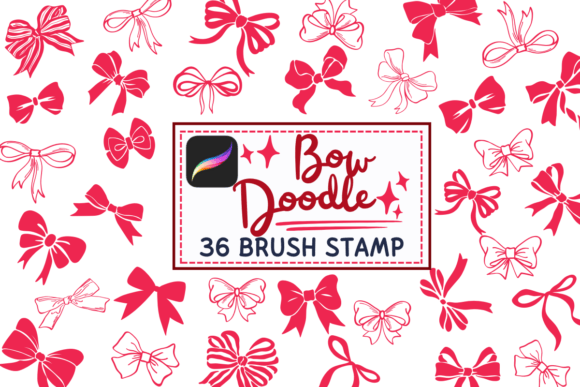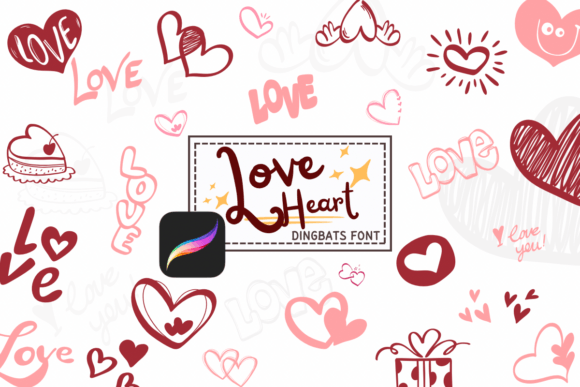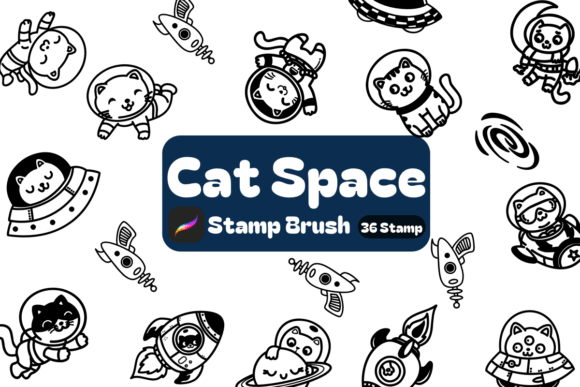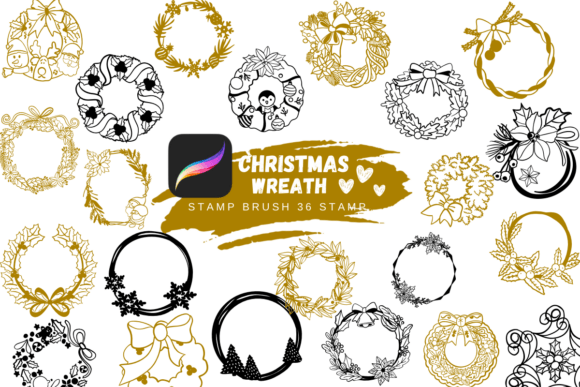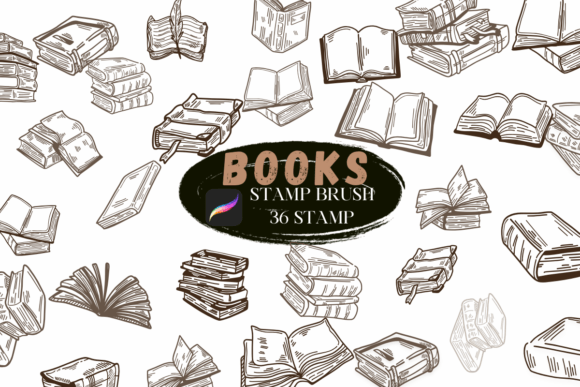
Book: A Sketch-Style Procreate Stamp Brush for Authentic Creative Projects
In the digital design landscape, the quest for authenticity often leads creators back to the tactile qualities of traditional media. While vector graphics offer precision and pixel art provides retro charm, there remains a distinct category of work that demands the imperfection and organic flow of hand-drawn elements. This is where Book, a specialized Procreate stamp brush collection, finds its unique niche. Designed with a sketch style in mind, this tool bridges the gap between digital efficiency and the raw aesthetic of analog illustration, serving as a versatile asset for professionals, hobbyists, and educators alike.
The Philosophy Behind the Sketch Aesthetic
The appeal of a sketch style lies in its ability to communicate ideas quickly while retaining a human touch. Unlike solid, uniform shapes generated by standard digital tools, sketch lines vary in weight, texture, and opacity. They mimic the pressure sensitivity of a pencil or pen on paper. The Book brush set capitalizes on this by offering pre-rendered stamp elements that capture the essence of quick, expressive drawing without requiring the user to manually render every stroke.
For many designers, the challenge has always been balancing speed with quality. Drawing complex botanicals, architectural details, or decorative flourishes from scratch can be time-consuming. Book solves this by providing high-quality, reusable stamps. These are not merely static images; they are textured assets designed to integrate seamlessly into a digital canvas. When applied, they retain the grainy, slightly irregular edges characteristic of real ink or graphite, ensuring that the final composition feels crafted rather than manufactured.
Understanding the Mechanics of Digital Stamping
To utilize Book effectively, one must understand how it functions within the Procreate environment. As a stamp brush, it operates differently from a standard drawing brush. Instead of creating continuous lines based on stylus movement, it places a specific graphic element at the point of contact. However, the sophistication of this particular set lies in its variability. Users can adjust size, rotation, and opacity to create depth and dimension.
This mechanic allows for rapid iteration. A designer can scatter floral motifs across a wedding invitation layout in seconds, adjusting the scale of each flower to create a sense of perspective. The sketch style inherent in the brush ensures that even when repeated, the elements do not look robotic. The subtle variations in line weight and the intentional "sketchiness" prevent the dreaded pattern repetition that often plagues digital stamping workflows.
Applications in Wedding Invitations and Event Design
One of the most prominent use cases for the Book sketch style is in the realm of wedding invitations and event stationery. Modern couples increasingly seek designs that feel personal and bespoke, moving away from rigid, templated aesthetics. A sketch-style approach conveys warmth and intimacy, suggesting that the invitation was drawn by hand specifically for them.
Designers can use the Book brushes to create intricate borders, monogram backgrounds, or whimsical illustrations of venues and florals. For instance, a rustic wedding theme might benefit from loose, charcoal-like sketches of wildflowers and foliage, which can be layered using the stamp functionality to build density without losing the airy feel of a quick doodle. Similarly, elegant calligraphy can be paired with delicate, sketched accents to soften the overall look, making the text appear more inviting.
The versatility extends to DIY enthusiasts as well. Individuals planning their own events can leverage these tools to create custom save-the-dates, menu cards, and place settings. The ease of use means that someone without advanced illustration skills can still produce professional-grade results. By simply stamping and arranging elements, a hobbyist can achieve a cohesive visual identity that rivals expensive commercial designs.
Elevating Brand Identity with Hand-Drawn Elements
Beyond personal events, the Book brush set offers significant value for business owners and branding agencies. In a market saturated with sleek, minimalist logos, brands often struggle to stand out. Incorporating sketch-style elements can inject personality and approachability into a corporate identity. This is particularly effective for industries such as artisanal food, boutique retail, educational services, and creative consultancies.
A logo created with the assistance of Book might feature a hand-drawn icon that suggests craftsmanship and attention to detail. The imperfections in the lines signal to the consumer that the brand values human effort over mass production. Furthermore, these brushes are excellent for generating marketing collateral. Social media posts, blog headers, and packaging designs can all benefit from the dynamic energy of sketch strokes.
Consider a local coffee shop looking to refresh its branding. Instead of a generic vector bean, the owner could use the Book stamps to create a collage-style logo featuring sketched cups, steam, and beans. This approach creates a narrative around the brand, evoking the atmosphere of a cozy café. The ability to mix and match different stamp elements allows for endless variations, ensuring that the brand assets remain fresh and engaging across different platforms.
Integration with Other Design Disciplines
The utility of Book extends beyond standalone illustrations. It serves as a powerful accent tool in broader design projects. Graphic designers often use these sketch elements to break up large blocks of text, add visual interest to infographics, or highlight key data points in presentations. The contrast between clean typography and rough, sketched graphics creates a compelling visual hierarchy that guides the viewer's eye.
In the context of web design, these brushes can be used to create custom icons or background textures that give a website a unique character. Educators also find value in these tools, using them to create visually stimulating lesson plans, worksheets, and educational posters. The sketch style is less intimidating for students than polished graphics, making learning materials feel more accessible and friendly.
Workflow Optimization for Creators
Efficiency is a critical component of any creative workflow, and Book addresses this by streamlining the creation process. Traditional illustration requires a steady hand and significant time investment to achieve consistent results. With the stamp functionality, creators can establish a library of go-to elements that can be deployed instantly. This does not diminish creativity; rather, it frees up mental space for higher-level design decisions.
Users can experiment with layering techniques to create complex compositions. By stacking multiple instances of the same stamp with varying opacities, artists can simulate shading and volume. The sketch nature of the brush means that overlapping lines blend naturally, avoiding the harsh edges typical of digital cutouts. This capability is particularly useful for creating textures, such as grass, fur, or fabric patterns, which would otherwise require tedious manual drawing.
Furthermore, the non-destructive nature of digital stamping allows for easy adjustments. If a design element needs to be moved or resized, it can be done without redrawing the entire piece. This flexibility encourages experimentation, allowing creators to explore different layouts and compositions without fear of wasting time. The Book brushes act as building blocks, enabling rapid prototyping and iteration.
Technical Considerations and Best Practices
While Book offers immense creative potential, understanding its technical limitations and best practices is essential for optimal results. One key consideration is resolution. Since these are stamp brushes, scaling them too large can result in pixelation or loss of detail. It is advisable to work on a high-resolution canvas and apply the stamps at an appropriate scale to maintain crispness.
Another important aspect is color management. Sketch styles often rely on monochromatic or limited palettes to maintain their aesthetic integrity. While the brushes can be colored, over-saturating them can obscure the texture and line work that define the sketch style. Using blending modes such as Multiply or Overlay can help integrate the stamped elements into the background, preserving the illusion of ink on paper.
Additionally, variety is crucial. Overusing the same stamp can lead to a repetitive look that undermines the organic feel of the design. To avoid this, users should rotate, resize, and mirror the elements frequently. Combining the Book stamps with other brush types, such as watercolor or ink washes, can further enhance the depth and realism of the artwork.
The Future of Hybrid Digital Art
The rise of tools like Book reflects a broader trend in the digital art world: the hybridization of analog and digital techniques. Artists are no longer choosing between the convenience of software and the soul of hand-drawn art; they are finding ways to combine both. As technology advances, we can expect to see even more sophisticated stamp brushes that incorporate dynamic textures, variable line weights, and intelligent placement algorithms.
For now, Book stands as a testament to the power of thoughtful tool design. It empowers users to express their creativity without being bogged down by technical constraints. Whether you are a seasoned professional crafting a luxury brand identity or a hobbyist designing a birthday card, the sketch style offered by these brushes adds a layer of authenticity that resonates with audiences on a human level.
In conclusion, the integration of Book into your creative toolkit opens up a world of possibilities. From the delicate details of wedding invitations to the bold statements of modern logos, the sketch style provides a versatile foundation for countless projects. By embracing the imperfections and organic qualities of hand-drawn art, creators can produce work that feels genuine, engaging, and uniquely their own. As the digital landscape continues to evolve, tools that prioritize human expression will remain indispensable for those seeking to make a lasting impact.