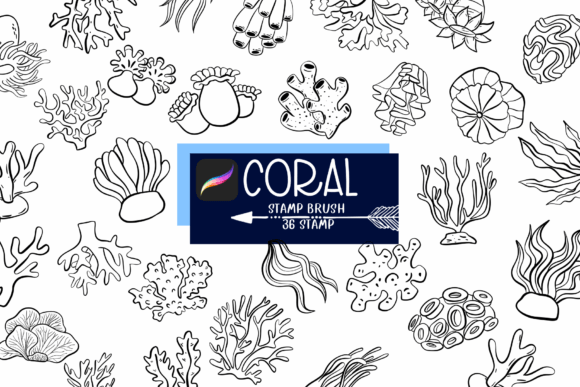
Coral Procreate Stamp Brushes: Sketch Style Guide
In the digital design landscape, texture often makes the difference between a flat graphic and a piece that feels handcrafted. Coral is a collection of Procreate stamp brushes designed specifically to inject that organic, sketch-style energy into your workflow. Unlike standard solid brushes that can feel rigid or overly polished, these tools mimic the unpredictable charm of ink on paper. Whether you are designing wedding invitations, creating DIY crafts, or building a brand logo, Coral offers a versatile foundation for projects that need a human touch.
The appeal of a sketch style lies in its imperfection. It suggests thought, effort, and artistry without requiring hours of manual drawing. For creators aged 20 to 50 who balance professional demands with creative hobbies, efficiency is key. These brushes allow you to apply complex textures instantly, saving time while elevating the aesthetic quality of your work. By integrating Coral into your toolkit, you gain access to a library of patterns that range from delicate coral reef motifs to bold, structural lines, all rendered in a loose, artistic manner.
Understanding the Coral Brush System
At its core, Coral functions as a set of stamp brushes within the Procreate app. This means each brushstroke deposits a pre-defined shape or pattern rather than a continuous line. The "sketch" theme implies that the edges are soft, the lines vary in weight, and the overall look resembles a quick charcoal or ink study. This is distinct from vector-based clip art, which often looks too clean and sterile for modern branding or personal projects.
What makes Coral particularly interesting is its adaptability. While the base shapes might be inspired by marine life or abstract organic forms, the application is entirely up to the artist. You can layer them to create depth, change their opacity to suggest distance, or alter the color to fit any palette. The brushes are designed to interact naturally with Procreate's engine, responding to pressure sensitivity if configured correctly, though they primarily function as stamps for consistent repetition.
For designers who struggle with freehand drawing, these brushes bridge the gap between technical precision and artistic flair. They provide a structured way to add decorative elements without needing advanced illustration skills. The result is a cohesive visual language that feels intentional yet relaxed.
Practical Applications for Creative Projects
The versatility of Coral extends across various mediums and industries. Its sketch style makes it an excellent choice for projects where warmth and personality are paramount. Below are specific use cases where these brushes shine:
- Wedding Invitations: Modern weddings often favor rustic or bohemian themes over traditional formal designs. Using Coral to create borders, monograms, or background washes adds a sophisticated yet intimate feel. The sketchy lines soften the typography, making the invitation feel like a personal note rather than a mass-produced card.
- DIY Crafts and Decorations: If you are printing designs for home decor, such as canvas prints, pillow covers, or wall art, the texture provided by Coral prevents the image from looking digitally flat. It mimics the look of screen printing or hand-stenciling, adding value to handmade goods.
- Logos and Branding: Small businesses, especially those in wellness, lifestyle, or artisanal food sectors, benefit from logos that feel approachable. A logo created with Coral brushes suggests craftsmanship and authenticity. It works well for packaging labels, business cards, and social media headers.
- Digital Scrapbooking and Journals: For hobbyists documenting their lives, these brushes offer a way to embellish layouts quickly. They serve as perfect accents around photos or alongside handwritten text, enhancing the narrative without overpowering the content.
Adapting Styles for Different Audiences
One of the strengths of the Coral collection is its ability to shift tone based on how it is used. For a corporate client, you might use the brushes sparingly, perhaps just for a subtle background texture in a presentation deck to break up heavy data. In this context, the goal is to maintain professionalism while avoiding visual fatigue.
Conversely, for a children's book illustrator or an educational resource creator, the same brushes can be applied more liberally. Here, the focus is on engagement and playfulness. You can increase the saturation of colors and overlap the stamps to create dense, vibrant patterns that capture attention. The key is understanding your audience's expectations and adjusting the density and color palette of the Coral elements accordingly.
Techniques for Effective Design
To get the most out of Coral, it is essential to master a few practical techniques within Procreate. Simply stamping the same element repeatedly can lead to a repetitive, tiled look that detracts from the organic feel. Instead, aim for variation in placement, size, and rotation.
Layering and Opacity: Start by placing your main subject on a base layer. Create a new layer above it and select a Coral brush. Lower the opacity of this layer to 30–40%. Use the brush to add texture behind or around your subject. This creates depth and integrates the sketch elements seamlessly into the composition. Avoid setting layers to 100% opacity unless you are creating a bold foreground element.
Color Variation: Do not rely solely on the default black or white of the brush. Use Procreate's ColorDrop feature to fill the brush strokes with colors from your project palette. Even within a single color scheme, using two or three slightly different shades (e.g., a dark teal and a lighter aqua) will make the sketch style appear more dynamic and less mechanical.
Mixing with Other Tools: Coral does not have to stand alone. Combine it with calligraphy brushes for lettering or watercolor brushes for backgrounds. The contrast between the fluidity of a watercolor wash and the defined, sketchy edges of the Coral stamps creates a visually rich hierarchy. This mix-and-match approach allows you to build complex scenes without getting bogged down in detailed rendering.
Maintaining Clarity and Consistency
While the sketch style encourages looseness, there is a fine line between artistic flair and visual clutter. When applying Coral to functional designs like logos or invitations, clarity must remain the priority. Ensure that the decorative elements do not interfere with the legibility of text or the recognition of key symbols.
Consistency is equally important when building a brand identity. If you choose to use Coral brushes for a series of social media posts or a product line, establish a set of rules. Decide on a limited color palette, a specific orientation for the stamps, and a maximum density for the patterns. This ensures that your work feels cohesive across different platforms and formats. A scattered approach can confuse the viewer, whereas a disciplined application reinforces your brand message.
Furthermore, consider the medium of delivery. Designs intended for high-resolution print may require higher DPI settings and careful management of anti-aliasing to ensure the sketch lines remain crisp. For digital-only use, such as web graphics or mobile apps, you have more flexibility with resolution but should still optimize file sizes to prevent slow loading times. Always preview your work on the intended device before finalizing.
Empowering Your Creative Workflow
Ultimately, Coral is more than just a set of digital assets; it is a tool for unlocking creativity. It removes the barrier of perfectionism that often stalls designers and hobbyists alike. By providing a ready-made sketch aesthetic, it invites you to experiment with composition and color without the fear of making mistakes.
Whether you are a freelancer pitching a concept to a new client, a small business owner designing your own packaging, or an educator creating engaging materials for students, these brushes offer a practical solution. They save time on tedious detailing while delivering a high-quality, handcrafted look. As you explore the possibilities, remember that the best results come from balancing the unique character of the Coral brushes with your own vision and strategic thinking. Let the texture guide your ideas, but let your purpose drive the final design.